

Natural Ruby
GET TO KNOW THE GEMSTONE
What Is a Natural Ruby?
A natural ruby is the red variety of the mineral corundum. Its red colour is mainly caused by trace amounts of chromium. Corundum ranks 9 on the Mohs hardness scale, making ruby a durable gemstone for rings, pendants and other jewellery when it is properly cut and securely set. Ruby has been treasured in many cultures for centuries and is often associated with passion, courage and vitality. In South Asia, it is commonly called Manik or Manik stone. Cultural meanings can be personally significant, but spiritual or astrological outcomes are beliefs rather than scientifically proven effects.A GEMSTONE WITH CHARACTER
Ruby Colour, Clarity and Brilliance
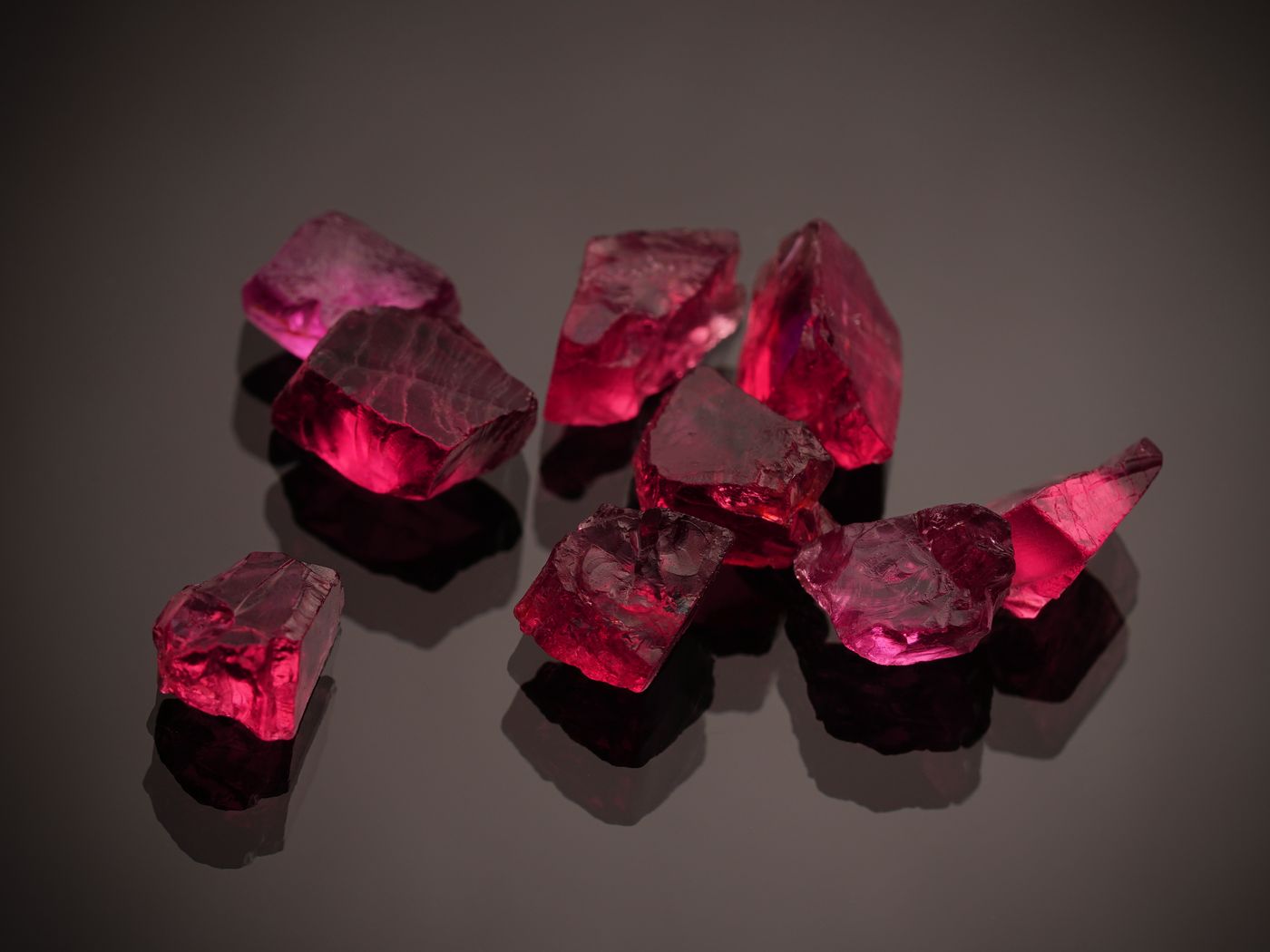
Rubies can range from vivid red to deeper red with purplish or pinkish undertones. Their appearance depends on colour, transparency, inclusions, cut and lighting. A well-cut stone can show attractive brilliance, while natural inclusions may offer clues about its formation—but they do not prove authenticity by themselves.There is no single appearance that guarantees a ruby is natural. For a valuable purchase, ask for an independent gem laboratory report.
How to Choose a Quality Natural Ruby
When comparing natural ruby gemstones, review these key quality factors together rather than judging a stone by colour or size alone.
01 · COLOUR
Rich Red Tone
Many buyers favour vivid, balanced red with good saturation. Compare stones in natural and indoor light because illumination changes how colour appears.
02 · CLARITY
Natural Inclusions
Most natural rubies have inclusions. Look for transparency and durability, and ask whether fractures or treatments affect the stone’s stability.
03 · CUT
Shape & Light
Oval, cushion, round and pear cuts are common. A balanced cut helps the ruby display colour attractively and fit the intended jewellery design.
04 · CARAT
Weight & Size
Carat measures weight, not visible dimensions. Larger rubies with strong colour and good clarity are rarer, so quality can affect price substantially.
ORIGIN & TREATMENT
Natural Ruby vs. Treated Ruby
Natural ruby forms in the Earth. Some rubies are sold with no known treatment, while others may be heat-treated to improve their colour or clarity. Lead-glass filling and other enhancements can significantly affect durability and value. A lab-created ruby is also corundum, but it is grown in a controlled environment rather than formed naturally. Always ask the seller to disclose whether the stone is natural or lab-created and whether any treatment is known. For a higher-value ruby, request a report from a recognised gem laboratory and verify the report details independently.UNDERSTANDING VALUE
What Determines Natural Ruby Price?
Ruby prices vary widely. Colour quality, clarity, carat weight, cut, origin, treatment status and reliable certification all influence value. Two rubies of the same weight can have very different prices because their quality and market demand differ.
Compare before you buy
- Ask for the exact carat weight.
- Request written treatment disclosure.
- Compare colour and clarity in similar lighting.
- Review the certificate and return policy.
Natural Ruby Buying Guide
- Choose a trusted seller. Look for clear descriptions, accessible contact details and transparent return policies.
- Ask about origin and treatments. Request written details and do not rely on verbal claims alone.
- Verify certification. For a high-value stone, seek an independent gemological report and check its report number with the issuing laboratory.
- Compare the complete stone. Consider colour, clarity, cut, carat weight, treatment and price together.
- Avoid damaging home tests. Scratching, heating or applying chemicals is unsafe and cannot reliably prove that a ruby is genuine.
Frequently Asked Questions About Natural Ruby
Is natural ruby the same as Manik stone?
Manik is a commonly used South Asian name for ruby. Confirm the gemstone identity and treatment status with a reputable seller or gem laboratory.
Is every natural ruby bright red?
No. Natural rubies vary in hue, saturation and tone, from vivid red to deeper or slightly purplish red. Lighting can also change their appearance.
Are treated rubies genuine?
A natural ruby can be genuine and still have undergone treatment. Treatments should be disclosed because they can affect price, care requirements and durability.
How can I check if a ruby is natural?
Visual appearance alone is not conclusive. An independent gem laboratory can help determine whether a stone is natural, lab-created and detect certain treatments.
Is natural ruby suitable for everyday jewellery?
Ruby is hard and durable, but secure settings, careful wear and suitable cleaning are still important—especially for treated stones.
FIND YOUR GEMSTONE
Explore the Beauty of Ruby
Explore our ruby gemstone page and review the available details before choosing a stone that suits your style, needs and budget.
Explore Ruby Gemstones →Gemstone appearance, prices and treatment status vary by individual stone. Spiritual and astrological associations are traditional beliefs and are not guarantees of results.
