
Blog
Ruby Gemstone: Meaning, Types, Quality, Price & How to Identify a Real Ruby

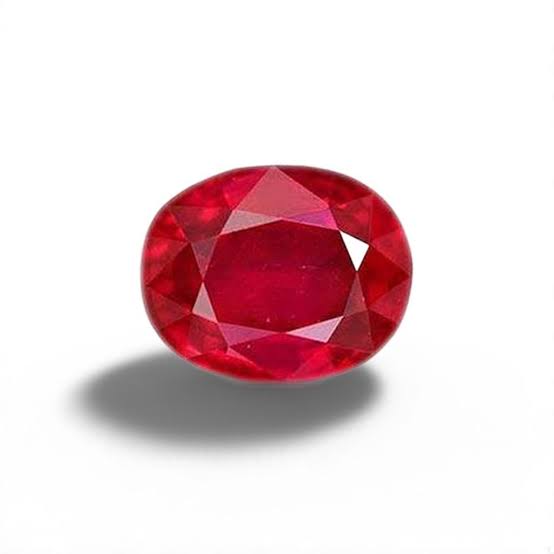
A ruby gemstone is one of the world's most admired precious gemstones, known for its beautiful red color, durability, and timeless appeal. Whether you are exploring natural ruby stones for jewelry, learning about gemstone quality, or researching ruby prices, understanding the essential characteristics of this gemstone can help you make a more informed decision.
Ruby belongs to the corundum mineral family and gets its characteristic red color primarily from trace amounts of chromium. Natural rubies vary in color, clarity, size, origin, and treatment, so no two stones should automatically be considered equal in quality or value.
In this guide, Solstics Stones explores ruby gemstone meaning, types, quality factors, pricing, origins, authenticity, and practical buying considerations.
What Is a Ruby Gemstone?
A ruby is the red variety of corundum, a crystalline mineral composed primarily of aluminum oxide. Rubies range from pinkish red to vivid red and purplish red, depending on their individual characteristics.
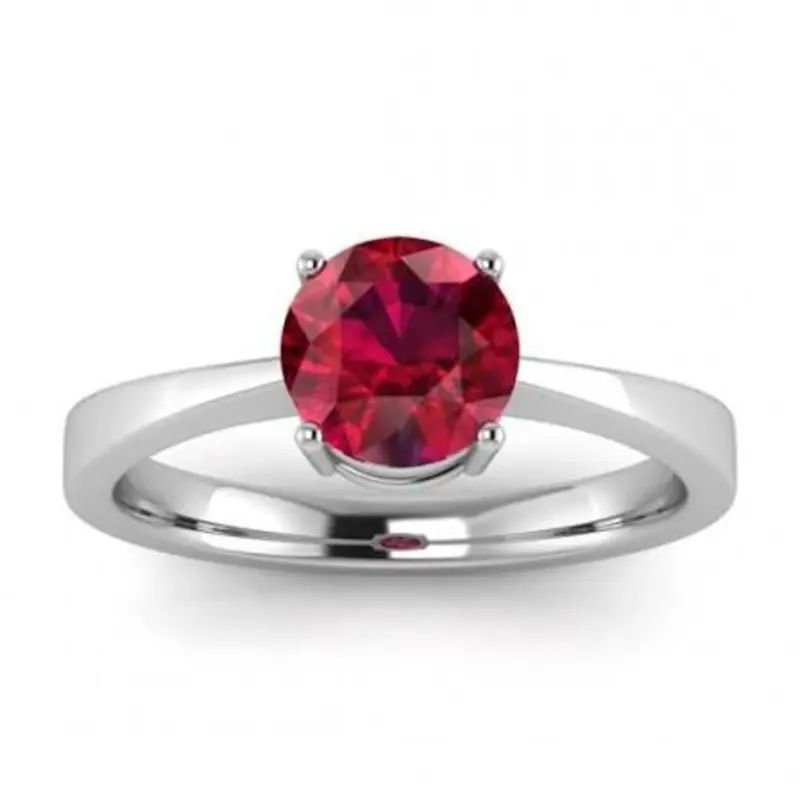
Ruby is considered a precious gemstone and is widely used in rings, pendants, earrings, and other jewelry. Its hardness of 9 on the Mohs scale makes it one of the more durable gemstones for everyday jewelry, although it can still chip or fracture under certain conditions.
The value of a ruby gemstone depends on its color, clarity, cut, carat weight, origin, and treatment history.
Ruby Gemstone Meaning and Symbolism
Ruby has long been associated with love, passion, courage, vitality, and strength in different cultural traditions. Its rich red color has made it a popular gemstone for meaningful gifts, personal jewelry, and special occasions.
In traditional gemstone symbolism, ruby is sometimes connected with confidence, energy, and determination. These associations are cultural beliefs rather than scientifically established effects.
Ruby is also recognized as the traditional birthstone for July, making it a popular choice for birthday jewelry and personalized gifts.
Types of Ruby Gemstones
Ruby gemstones can be classified according to their natural or laboratory-grown origin, treatment, and color characteristics.
1. Natural Ruby Gemstone
A natural ruby forms through geological processes in the Earth. Natural rubies can contain inclusions and growth features that reflect their formation history.
Their appearance and value depend on the quality of the individual stone, including its color, transparency, cut, weight, and treatment status.
2. Heat-Treated Ruby
Heat treatment is commonly used to improve the color or apparent clarity of ruby gemstones. A heat-treated ruby can still be a genuine natural ruby.
However, treatment disclosure is important because it can influence the gemstone's market value.
3. Unheated Ruby
An unheated ruby is a gemstone for which no evidence of heat treatment has been detected using appropriate examination methods.
Fine-quality unheated rubies may be particularly desirable, but their value still depends on their overall quality and reliable documentation.
4. Lab-Grown Ruby
A lab-grown ruby is created in a controlled laboratory environment rather than forming naturally in the Earth.
Lab-grown rubies have essentially the same chemical composition and crystal structure as natural rubies. However, their origin, formation features, and market value differ.
5. Pigeon Blood Ruby
Pigeon blood ruby is a trade description associated with a highly desirable, vivid red color.
The term does not independently prove a ruby's authenticity, geographic origin, treatment status, or overall quality. For a valuable purchase, consider a reputable gemological laboratory report.
Ruby Gemstone Colors and Quality
Color is one of the most important factors when evaluating a ruby gemstone. Fine rubies are generally prized for an attractive red hue, strong saturation, and good visual appearance.
Common color descriptions include:
Vivid red: A strong, lively red appearance.
Pinkish red: Red with a noticeable pink undertone.
Purplish red: Red with a purple undertone.
Dark red: A deeper red appearance that may show less brightness.
The best color for an individual buyer depends on personal preference and the characteristics of the gemstone.
When comparing ruby stones, examine their appearance under consistent lighting and consider color alongside clarity, transparency, cut, and carat weight.
What Determines Ruby Gemstone Price?
There is no single price for every ruby gemstone. Two rubies of the same weight can have very different market values because of differences in quality, treatment, origin, and documentation.
Color and Saturation
An attractive red color with strong saturation can increase a ruby's desirability. However, color should be evaluated together with brightness, tone, and the overall appearance of the stone.
Clarity and Transparency
Natural rubies commonly contain inclusions. Their effect on value depends on their visibility, location, and impact on transparency and durability.
Carat Weight
Ruby prices can rise significantly with increasing size when the stones have comparable fine quality. Large rubies with exceptional characteristics are relatively uncommon.
Cut and Shape
A well-proportioned cut can improve a ruby's visual appeal and help display its color. Common shapes include oval, cushion, round, and pear.
Geographic Origin
Rubies are found in several countries, including Myanmar, Mozambique, Sri Lanka, Madagascar, and Tanzania. Origin may influence market demand, but it does not guarantee a gemstone's quality.
Treatment and Certification
Heat treatment and other enhancements can affect ruby value. A reliable gemological report can help establish important characteristics and disclose detectable treatments.
Ruby Gemstone Price in Pakistan
Ruby gemstone prices in Pakistan vary according to carat weight, color, clarity, cut, origin, treatment, and available documentation.
A commercial-quality ruby and a fine-quality ruby supported by an independent laboratory report may have very different prices. For this reason, a single estimated price should not be applied to every ruby stone.
Before buying a ruby gemstone in Pakistan, ask the seller about:
Current asking price and carat weight
Gemstone dimensions and color
Natural or laboratory-grown origin
Known treatments
Available laboratory documentation
Delivery and return terms
For international purchases, shipping, insurance, currency conversion, customs duties, and applicable taxes may also affect the final cost.
To explore available options, contact Solstics Stones and request details about the ruby gemstones currently offered.
How to Identify an Original Ruby Stone
Identifying a real ruby requires more than checking its color or appearance. Natural ruby, lab-grown ruby, treated ruby, and ruby imitations can look similar to an untrained observer.
Use these practical steps when evaluating a gemstone.
1. Check the Seller's Description
Look for clear information about the gemstone's material, weight, measurements, treatment, and origin claims.
2. Examine the Gemstone
Observe its color, transparency, cut, and visible inclusions. These characteristics can provide useful information but cannot independently confirm natural origin.
3. Ask About Treatments
Ask whether the ruby has been heat-treated, fracture-filled, or otherwise enhanced. Different treatments can have different implications for durability and value.
4. Request Independent Gemological Testing
For a valuable ruby, consider a report from a reputable gemological laboratory. Depending on the laboratory and examination, a report may help determine whether the material is natural or laboratory-grown and whether detectable treatments are present.
5. Avoid Unreliable Home Tests
Scratch tests, glass tests, and simple online visual comparisons are not reliable ways to establish a ruby's authenticity. They may damage the gemstone or produce misleading results.
For additional gemstone information, consult a recognized gemological resource such as the Gemological Institute of America (GIA).
Where Do Ruby Gemstones Come From?
Natural rubies occur in different parts of the world. Geographic origin can be important to collectors and buyers, but it should be evaluated alongside the stone's individual characteristics.
Burmese Ruby
Myanmar, historically known as Burma, is famous for its ruby deposits. Fine rubies from this region can be highly desirable, although origin alone does not determine value.
Mozambique Ruby
Mozambique is an important source of natural rubies. Its gemstones vary in color, clarity, size, and overall quality.
Sri Lankan Ruby
Sri Lanka is known for a wide variety of gemstones, including ruby. Individual rubies should be assessed according to their own characteristics rather than assumed to share the same quality.
Other Ruby Sources
Madagascar, Tanzania, and other regions also produce ruby gemstones. When origin matters to a purchase, seek appropriate documentation rather than relying only on a seller's visual assessment.
Ruby Gemstone vs Sapphire: What Is the Difference?
Ruby and sapphire are both varieties of corundum. Their main distinction is color.
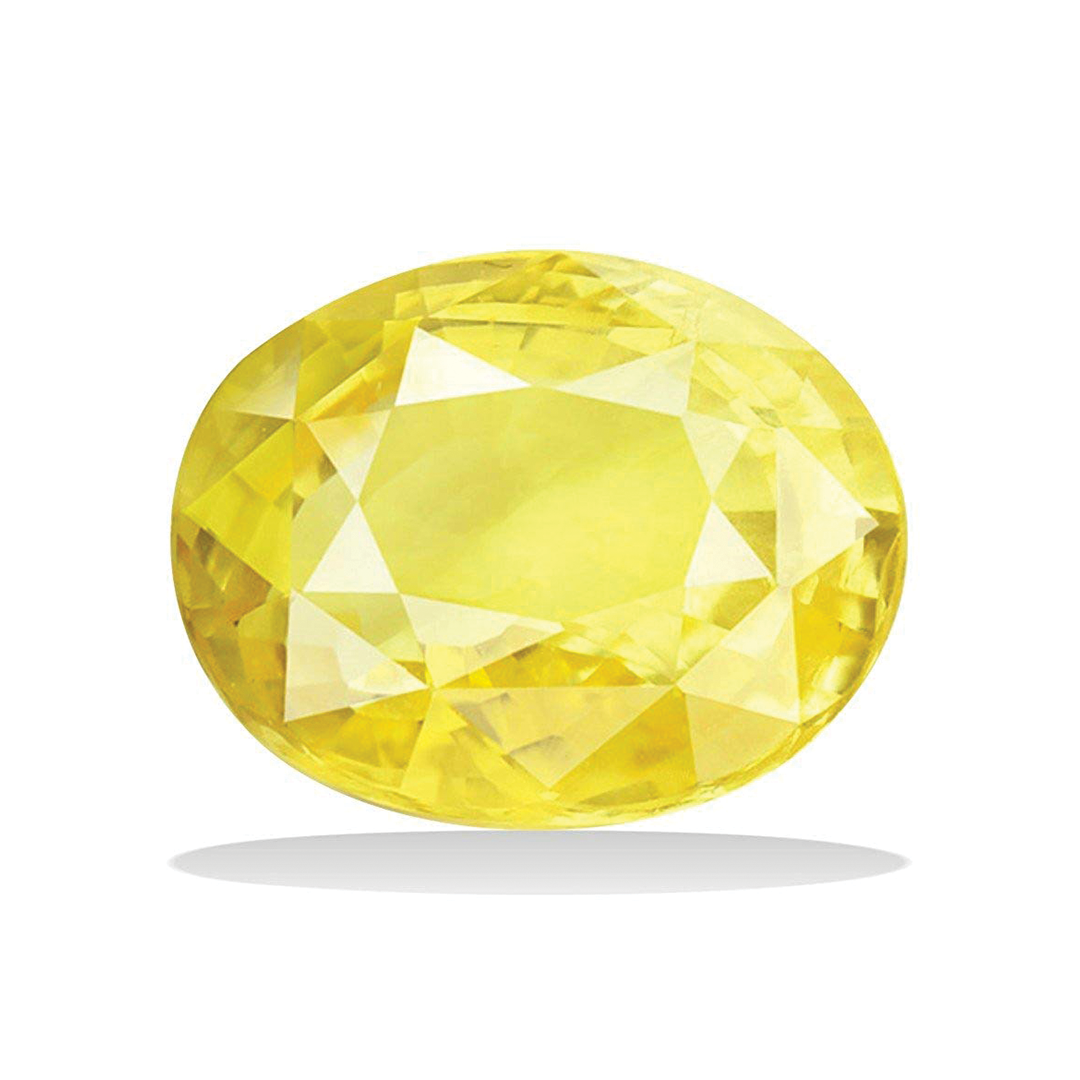
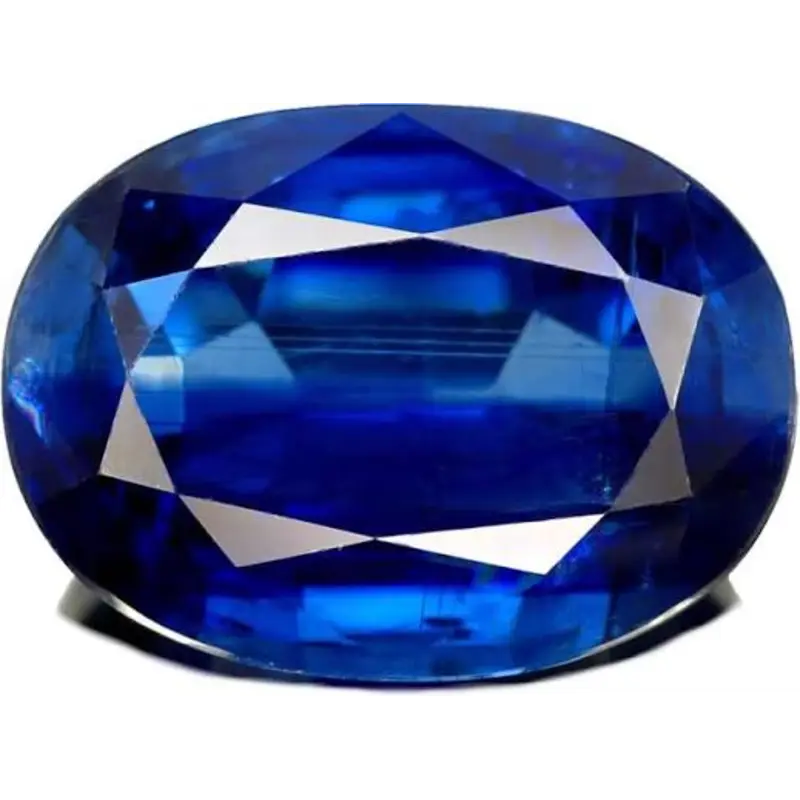
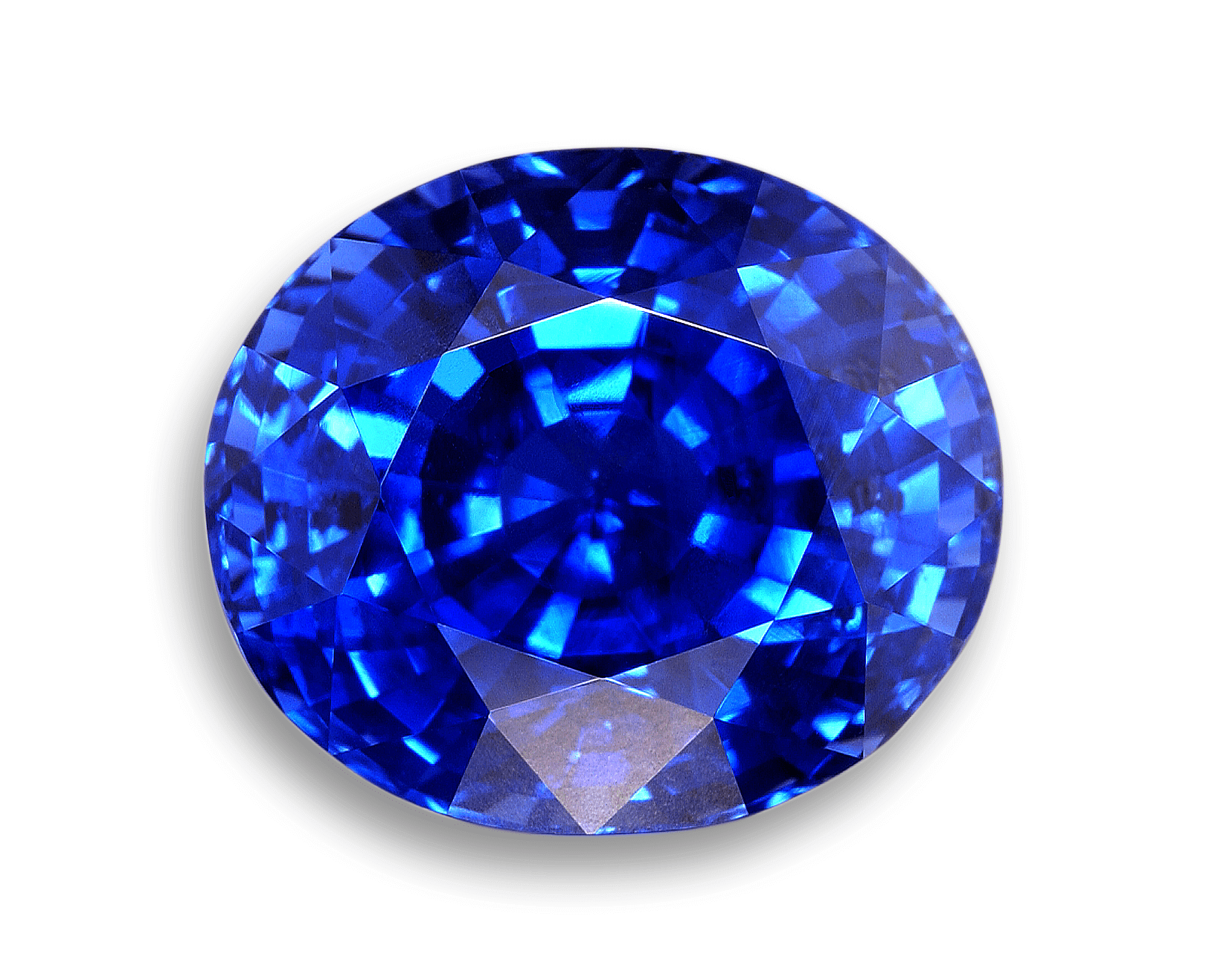
Ruby is the red variety, with its color primarily associated with chromium. Sapphire generally refers to other colors of gem-quality corundum, including blue, yellow, pink, and many other shades.
Both gemstones have a Mohs hardness of 9 and are used in jewelry. Their market values depend on color, quality, size, rarity, treatments, and other characteristics.
How to Choose the Right Ruby Gemstone
Choosing the right ruby begins with understanding your budget and intended use.
Set your budget: Decide how much you are comfortable spending.
Choose a color: Compare red shades under consistent lighting.
Compare dimensions and weight: Carat weight alone does not describe the gemstone's face-up size.
Assess clarity and cut: Consider transparency, inclusions, proportions, and overall appearance.
Understand treatments: Request disclosure of known or detected enhancements.
Review documentation: Consider independent laboratory testing for higher-value stones.
Check seller policies: Confirm the return policy, shipping arrangements, and information supplied with the gemstone.
The right ruby is one that meets your preferences and budget while being accurately represented by the seller.
Ruby Gemstone Care and Maintenance
Ruby is a durable gemstone, but proper care helps maintain its appearance.
Clean suitable ruby jewelry with warm water, mild soap, and a soft brush.
Avoid harsh chemicals and sudden temperature changes.
Seek professional advice before using ultrasonic or steam cleaners, especially if the stone is treated or its treatment history is unknown.
Store ruby jewelry separately from other gemstones to prevent scratches.
Have jewelry settings checked periodically by a qualified jeweler.
If the ruby has been fracture-filled or otherwise treated, follow the care instructions recommended for that specific treatment.
Frequently Asked Questions About Ruby Gemstones
What is a ruby gemstone?
A ruby gemstone is the red variety of corundum, an aluminum oxide mineral whose red color is primarily associated with chromium.
What is the price of a ruby gemstone in Pakistan?
The price depends on the stone's color, clarity, carat weight, cut, origin, treatment, and documentation. Ask for the current price of the specific gemstone you are considering.
Is a natural ruby better than a lab-grown ruby?
Natural and lab-grown rubies have essentially the same chemical composition and crystal structure, but they differ in origin and market value. The best option depends on your budget and preferences.
How can I identify an original ruby stone?
Visual inspection alone cannot reliably confirm natural origin. For a valuable purchase, request an independent gemological report that addresses the gemstone's identity and detectable treatments.
Is a heat-treated ruby genuine?
Yes. A heat-treated ruby can be a genuine natural ruby. The treatment should be disclosed because it may influence value.
Which ruby color is most valuable?
Vivid, attractive red is generally highly desirable. However, a ruby's value also depends on clarity, transparency, cut, carat weight, treatment, and other characteristics.
Is ruby the July birthstone?
Yes. Ruby is traditionally recognized as the birthstone for July and is often associated with love, passion, and vitality in cultural symbolism.
Can ruby gemstones be purchased online?
Yes. Before buying online, review actual gemstone photographs, dimensions, weight, treatment information, available laboratory reports, delivery terms, and return policies.
Where can I buy natural ruby gemstones?
You can contact Solstics Stones to enquire about available ruby gemstones, their characteristics, current prices, and purchasing options.
Final Thoughts
Ruby gemstones combine distinctive red color, durability, and a long history of cultural significance. Whether you are researching ruby gemstone prices, comparing natural and lab-grown stones, or learning how to assess authenticity, understanding the gemstone's characteristics helps you make a more informed decision.
Explore the available gemstone information at Solstics Stones and contact us to enquire about ruby gemstone availability and pricing.
